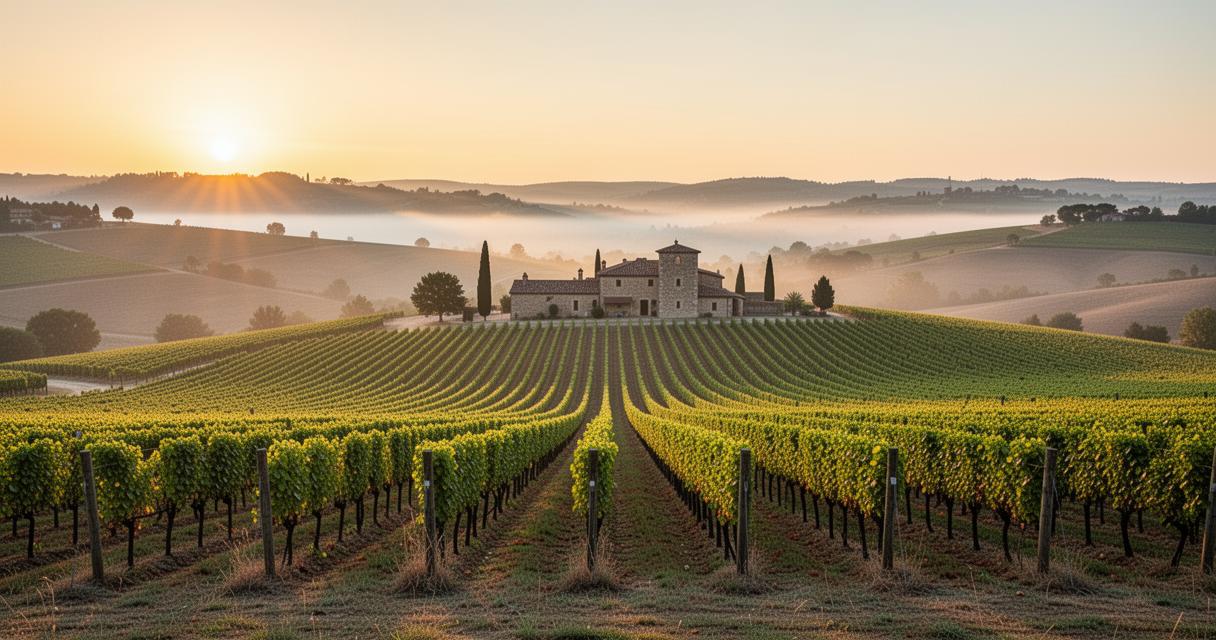

Taking over a winery is a dream that many aspiring winemakers harbour, yet the reality of the process demands far more than a passion for wine. Beneath the romance of rolling vines and stone-built cellars lies a complex agricultural, legal and financial undertaking. Before signing any draft compromise or committing capital to a wine estate, understanding the living foundation beneath your feet (the soil) is every bit as critical as scrutinising the balance sheet.
Key points
- Conducting a thorough soil assessment is a critical, non-negotiable step in the due diligence process when acquiring a winery.
- Evaluating soil biology, including microbial life and nutrient levels, provides essential insights into vine health and long-term agricultural productivity that sales prospectuses often omit.
- Analyzing the physical structure of the soil is necessary to identify issues like compaction or erosion that can negatively impact drainage, root growth, and future yields.
- Degraded soil quality represents a hidden financial risk, as the costs associated with land regeneration can significantly erode the value of an acquisition.
- Successful financial planning for a winery takeover should explicitly include a budget for soil restoration and long-term agricultural improvement.
- Adopting organic or biodynamic farming strategies can help rebuild soil health more effectively while aligning with current consumer demand for sustainable wines.
- Approaching a vineyard acquisition with a long-term perspective on soil stewardship ensures both the professional success of the new owner and the preservation of agricultural heritage.
Assessing soil health before the winery acquisition
When evaluating a potential winery acquisition, most prospective buyers focus on equipment, buildings and the reputation of the wines produced. Yet the land itself (its structure, its biology, its history) often determines whether a vineyard project will flourish or falter. A thorough soil assessment should be treated as a non-negotiable step in any professional due diligence process, sitting alongside the review of the business accounts and the rural code obligations tied to the property.
Evaluating underground microorganisms and nutrient levels
Healthy vineyard soils teem with microbial life that supports vine nutrition, disease resistance and long-term agricultural productivity. During a winery takeover, it is worth commissioning a full soil biology analysis to understand what microbial communities are present and whether decades of intensive management have depleted them. The presence of beneficial fungi, bacteria and earthworms speaks volumes about the vitality of a terroir, information that simply does not appear in a sale prospectus. Prospective winemakers should also assess nutrient levels, including the balance of organic matter, nitrogen and trace minerals that determine vine vigour and, ultimately, wine quality. The chamber of agriculture in the relevant region can provide guidance on accredited laboratories and study methodologies appropriate to local terroir conditions.
Analyzing soil structure to ensure future yields
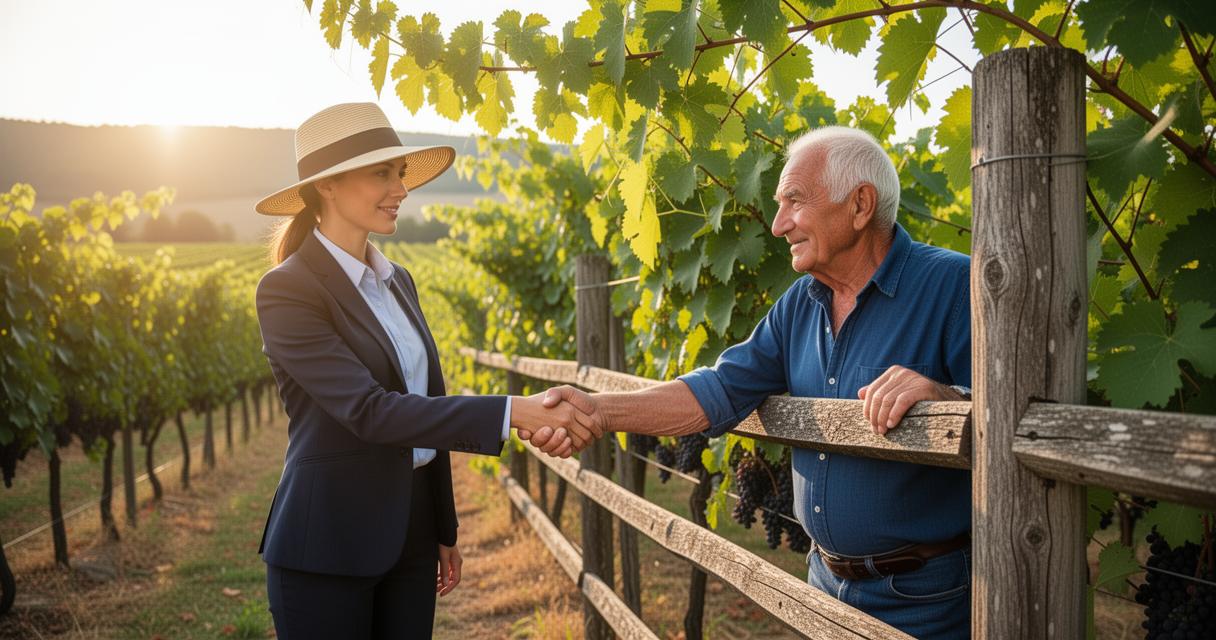
Beyond biological health, the physical structure of a vineyard’s soils directly influences drainage, root penetration and the capacity of the vines to withstand climatic stress. Compaction caused by heavy machinery, erosion on sloped parcels, or an imbalance of clay and sand can suppress yields and inflate operational costs for years after the transfer of a wine estate. Prospective buyers should walk every parcel, dig soil profile pits where possible, and cross-reference observations with historical cadastral records. This level of rigour reflects the kind of responsible agricultural approach that chambers of agriculture and professional bodies increasingly expect from anyone entering the profession through reconversion or a first installation.
The Impact of Soil Quality on Estate Value and Financial Planning
Soil vitality is not merely an agronomic concern, it has a direct bearing on the price of a wine estate and the financial architecture of the takeover. A vineyard whose soils have been depleted through overuse or chemical dependency may appear attractively priced on the market, yet the hidden cost of land regeneration can quickly erode the apparent value of the acquisition. Understanding this relationship is essential for anyone drafting a business plan or approaching a mutual social fund or the MSA for financial support.
Factoring Land Regeneration into the Initial Project Budget
When building the financial framework for a winery takeover (whether via the acquisition of shares in a limited liability company, the purchase of land and buildings outright, or a combination of both) it is prudent to earmark a portion of the initial budget for soil restoration. Depending on the state of the parcels, this might involve green manure programmes, the introduction of organic matter, or a phased transition towards lower-input farming. These investments are not optional extras; they are foundational to the long-term productivity of the vineyard. A well-constructed financial study, reviewed with professional advisers familiar with the rural code and agricultural tax categories, should account for these costs explicitly rather than leaving them as a vague contingency.
Understanding long-term return on capital investment
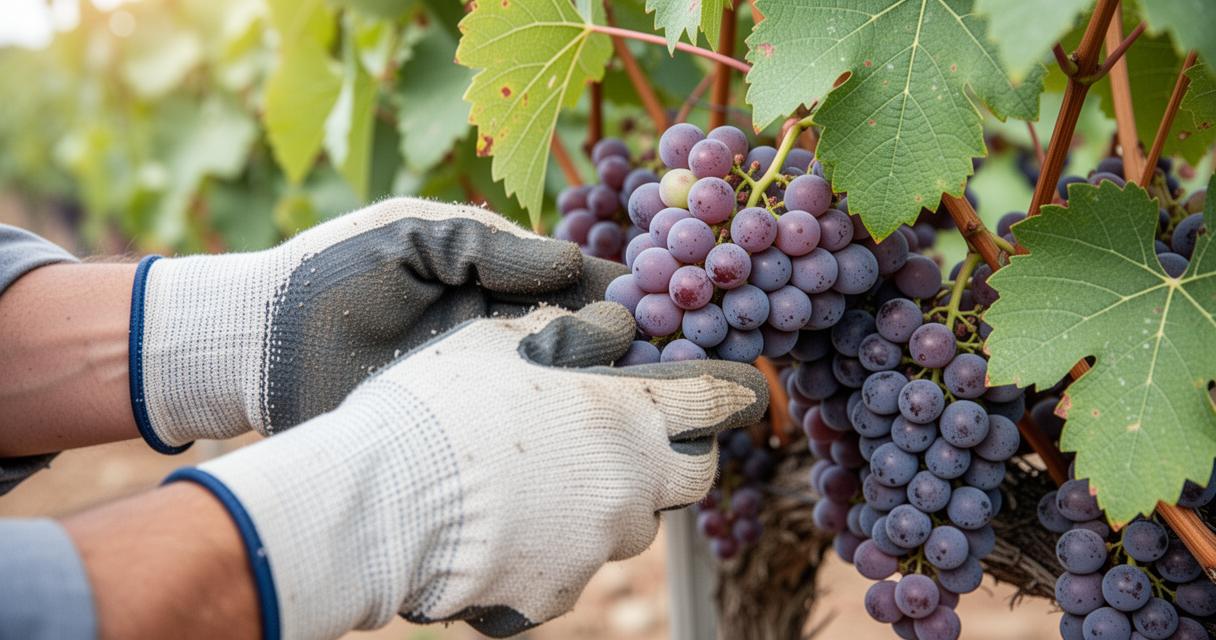
The income generated by a wine estate is inseparable from the quality and consistency of its terroir. Investors and young farmers alike who approach a winery takeover with a short-term mindset often overlook the fact that soil improvement is a multigenerational endowment, one that takes years to materialise in vine health and wine quality. This long-term perspective should inform every aspect of the financial planning, from the social capital structure of the management company to the annual budget allocated to the agricultural operations. Professional advisers, chambers of agriculture and specialist lenders in the wine sector all recognise that the most resilient estates are those where soil vitality is actively managed and monitored year after year.
Transitioning terroir management for sustainable vineyard success
Taking over a wine estate is ultimately a commitment to stewardship, of the land, the vines, the wines and the community of winemakers who have shaped the profession. The transition from one owner to the next is a critical moment that can either reinforce good agricultural practice or compound existing problems. Approaching this phase with clarity, professional rigour and a genuine respect for the terroir sets the conditions for sustainable success.
Implementing organic strategies for newly acquired parcels
Many winemakers who complete a winery acquisition choose to introduce organic or biodynamic strategies across their newly acquired parcels, either as a gradual transition or as a defining element of their professional identity from day one. These approaches (which favour cover cropping, compost application and biological pest management over synthetic inputs) tend to rebuild soil health more rapidly than conventional methods, while also meeting the growing demand from consumers for responsibly produced wines. It is advisable to study the relevant certification requirements and their timelines before committing, so that the business plan accurately reflects the costs and benefits of such a transition. The professional diploma pathways available through agricultural education bodies also provide winemakers with the technical grounding needed to manage these strategies effectively.
Safeguarding agricultural heritage for future generations
A vineyard is never solely the product of its current managers. It is the result of decades, sometimes centuries, of human labour, viticultural knowledge and careful land management. When the transfer of a wine estate is handled thoughtfully (with due attention to soil health, responsible agricultural practice and sound financial planning) the new owner becomes part of that living heritage rather than simply a new operator. The articles governing the rural code, the obligations towards the MSA and the broader framework of agricultural property law all exist, in part, to protect this continuity. Prospective winemakers are encouraged to work closely with chambers of agriculture, professional advisers and experienced winemakers in their region to ensure that their installation contributes positively to the landscape and the profession they are joining.